

We're All in the Same House, Just on Different Floors

I attend a local breast cancer support group where I often sit near the same woman. She has stage II breast cancer, and I have stage IV. Every time she remembers my diagnosis, she says, “I’m so sorry.” She doesn’t say that to the other women with early-stage cancer, only to those of us with metastatic disease.
I know she probably means well, but I hate it.
What I hear beneath that apology is an unspoken comparison: She got the “good” cancer, and I got the death sentence. She can look forward to life after cancer, while I’m someone to feel sorry for. I wish she understood how hurtful that is.
We're all in the same house
One evening, after hearing that familiar apology again, I finally spoke up. Most of the time, I let comments like that go. I extend grace because I recognize that people don’t always know what to say. But extending grace doesn’t mean I have to stay silent when something repeatedly hurts me.
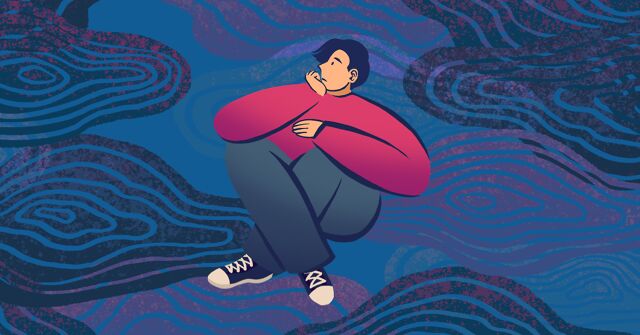
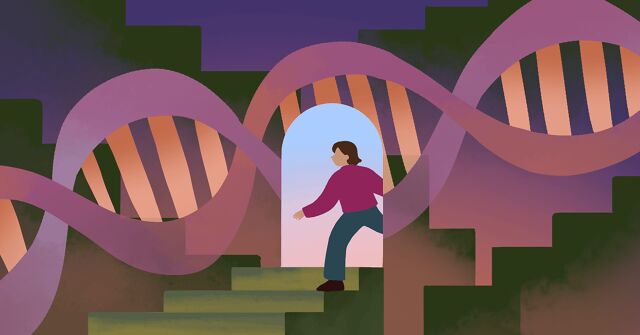
I told her, “We’re all in the same house. You might be on the first or second floor, and I’m on the fourth. But we’re still in the same house.” My point wasn’t that our experiences are identical. They’re not.
Incurable doesn't mean my life is over
For many of us with metastatic breast cancer, treatment becomes an ongoing part of life. There may be no finish line, no bell to ring, and no declaration that we’re cancer-free. But incurable does not mean I’m already dead.

I have been living with cancer since 2017. I’ve had surgeries, treatments, recurrences, and some incredibly difficult days. I’ve also laughed until my stomach hurt.
I’ve traveled, spoken at breast cancer conferences, fallen in love, worked, and enjoyed my life. My diagnosis is serious, but my life is still full. Both things can be true.
Who gets to be called a survivor?
The divide doesn’t stop at awkward conversations. I once saw a woman in a breast cancer group ask to hear from “survivors.” She specifically wanted stories from people who were cancer-free. When someone explained that survivorship begins at diagnosis, she made it clear she wanted success stories from people who had beaten cancer.
I couldn’t help wondering where that left people like me. Am I not a survivor because my cancer hasn’t gone away? Do 9 years of treatments, surgeries, uncertainty, and perseverance somehow count for less?
I understand wanting to hear stories that offer hope, but hope shouldn’t require excluding people whose stories are still being written. Not everyone gets a cancer-free chapter. Some of us are surviving in real time, and our stories matter, too.
When toxic positivity becomes another burden
Then there’s the spiritual bypassing and toxic positivity: “Just stay positive.” “Everything happens for a reason.” “Choose happiness.”
Sometimes there’s even the suggestion that I simply need more faith. As a woman of faith, I believe in prayer and that God can heal. But I also believe that faith and difficult emotions can exist together.
Faith and fear can coexist
I can trust God and still be afraid. I can pray for healing and still acknowledge my medical reality. I can be grateful for another day and still be exhausted by what it takes to get through it.
What hurts is the suggestion that my emotions are somehow evidence of weak faith. Even worse is the implication that if my cancer progresses, I must not have believed enough. That’s an unfair burden to place on someone who is already fighting to stay alive.
I’ve learned to be honest when those comments don’t help. Sometimes I simply say, “I know you mean well, but I need you to hear me, not fix how I feel.” Other times, I let the conversation end. I don’t have to explain my reality to everyone.
Sometimes, what I need isn’t encouragement. I need permission to tell the truth about how hard this is without someone rushing to make it sound better.
I don't need pity, I need understanding
I don’t expect everyone to understand metastatic breast cancer. I didn’t fully understand it before I was diagnosed. And I certainly don’t want to minimize what anyone with early-stage cancer goes through. Cancer is frightening at every stage!
But I do want people to recognize that our experiences aren’t interchangeable. The emotional weight of living with cancer indefinitely deserves acknowledgment. Please don’t assume my life is miserable because my diagnosis makes you uncomfortable. Don’t measure my survival against someone else’s remission. And don’t confuse my willingness to discuss difficult realities with a lack of hope.
I’m not asking anyone to pretend my diagnosis isn’t serious. I’m simply asking people to stop treating me like my life is already over.
Join the conversation