


HER2-Positive MBC and the Brain: Community Stories

Learning that breast cancer has spread is hard. New words like "HER2-positive" can make it feel even harder. Here is what HER2-positive means, why it matters for the brain, and what people in our community have learned along the way.
What does HER2-positive mean?
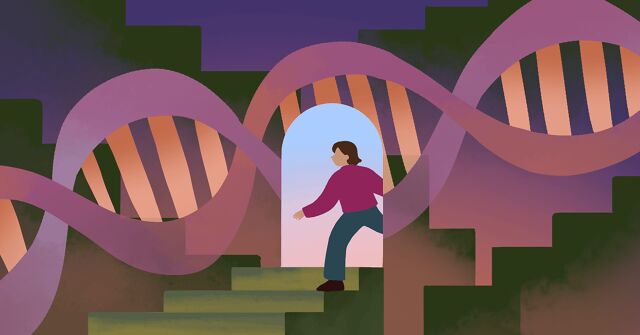
HER2 is a protein found on some breast cells. It tells cells to grow. In HER2-positive (HER2+) breast cancer, the cancer cells have too much of this protein. This can make the cancer grow and spread faster.1
About 1 in 8 breast cancers are HER2+. Some are also hormone receptor-positive. You may hear this called "triple-positive." Knowing you are HER2+ helps your care team choose your treatment. Survival rates for HER2+ metastatic breast cancer (MBC) are among the highest of all MBC types.2
Victoria was first diagnosed with triple-positive breast cancer in 2004. It came back in her liver and bones in 2014. Back then, she felt her fears "could only be properly understood by people in the same situation." Looking back, she said, "20 years later, my subtype is the one to have."
Why HER2+ and the brain are linked
HER2+ breast cancer is more likely than some other types to spread to the brain. Up to half of people with advanced HER2+ breast cancer will have cancer in the brain at some point. In one large review, it was about twice as common as in the most common type of breast cancer.3,4

Signs can include bad headaches, weakness in an arm or leg, trouble walking, seizures, and nausea or throwing up. Tell your care team right away if you notice any of these.5
Experts do not all agree on whether people without symptoms need regular brain scans. Guidelines ask doctors to be quick to order a brain MRI for people with HER2+ breast cancer. Ask your doctor if brain scans make sense for you.3
Mara's story: living with cancer
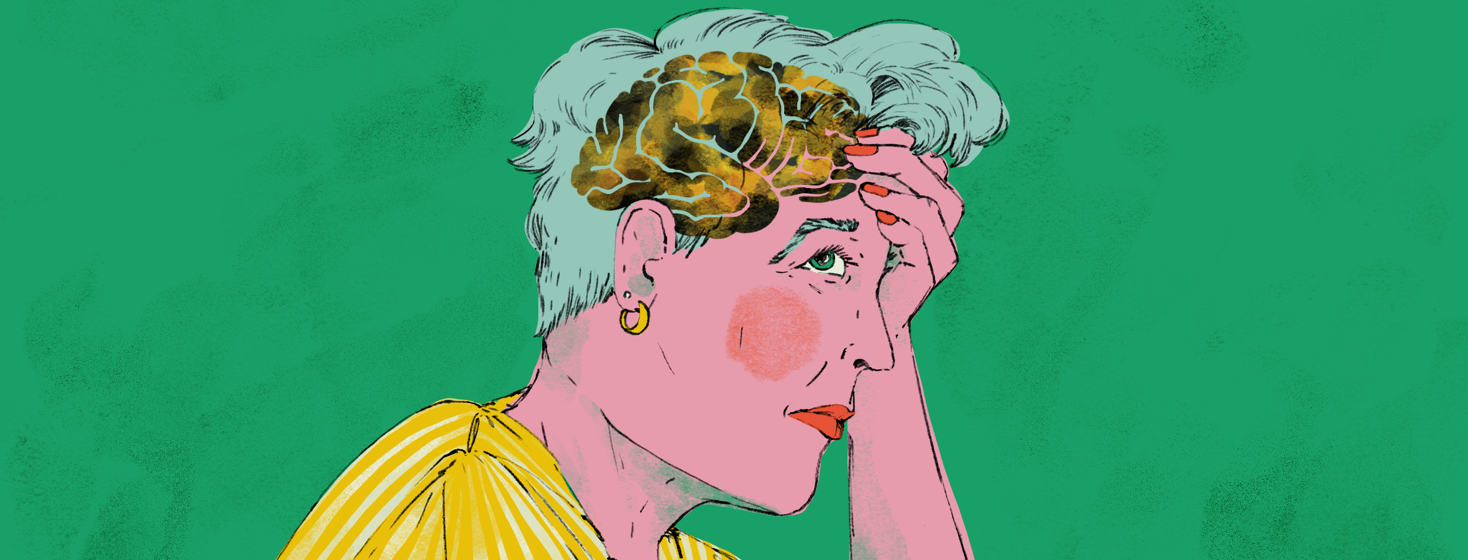
Mara learned she had inflammatory breast cancer in 2015. About 14 months later, it spread to her brain. Swelling in her brain made it feel like her head was "in a nutcracker." She also had small seizures while on the phone at work.
Mara had surgery and radiation to her whole brain. She still gets treatment every 3 weeks and a brain MRI every 3 months. For years, she has had no cancer "from the neck down."
Her advice? "Instead of thinking you are dying of cancer, you are living with cancer."
What brain radiation can feel like
Treatment for cancer in the brain may include surgery, radiation, and medicines that work throughout the body. Your care team will help you decide what is right for you.3
Stacie, who lives with MBC, had radiation to her whole brain. When she first heard the news, she said, "I remember crying all day and thinking my life was over."
Before radiation, Stacie was fitted for a mesh mask that holds the head still. "I pictured myself getting a warm facial, which helped," she said. Her 10 sessions took about 5 minutes each. She had headaches, tiredness, hair loss, dizziness, hearing loss, and memory problems. Most went away in about 5 months. When she wrote her story, her brain had been clear of cancer for more than 2 years.
Some people worry about memory after brain radiation. There are ways to help protect memory during whole brain radiation. Ask your care team about them.3,6
Questions to ask your care team
Talking openly with your care team can help you feel more in control. Bring these questions to your next visit, or share them with someone who comes with you.
- What does being HER2+ mean for my treatment plan?
- What signs of brain changes should I watch for, and who should I call?
- Do brain scans make sense for me?
- If cancer spreads to my brain, what are my options?
- How can we protect my memory and thinking during treatment?
- What support is there for my family and caregivers?
For caregivers
Caring for someone with cancer in the brain can be hard. Caregivers may feel worried, sad, or worn out, even when they have support.7
Joel's wife has lived with MBC for 8 years. Her treatment has included a brain surgery that did not go as hoped. Joel has watched her change. Over time, he has learned to meet her where she is now. "She's doing the best she can," he wrote.
Stacie reminds us that changes are not always easy to see. Even when she looks healthy, she said, "it can be a facade." Caregivers need care, too. Ask the care team about support for you.
HER2+ MBC and cancer in the brain can feel scary. But as Victoria, Mara, Stacie, and Joel show, people find ways to keep living full lives. Learn the signs, ask questions, and lean on the people around you. You are not alone.
Has HER2+ MBC or cancer in the brain affected you or someone you love? Share your story in the comments below.
Join the conversation