



The Confident Patient: Managing Care and Treatment
The ConfidentPatient:A Doctor Discussion Guidefor MBC Care

Understanding next steps
Whether you’re newly diagnosed or have been living with metastatic breast cancer for some time, you may find yourself quietly asking, “What now?” Those moments can bring up so much – fear, worry, questions you weren’t expecting – all mixed in with everything else you’re carrying.
It can feel like a lot to hold on your own. Talking openly with your care team can help you get a better sense of what’s happening and figure out the next steps that are right for you.
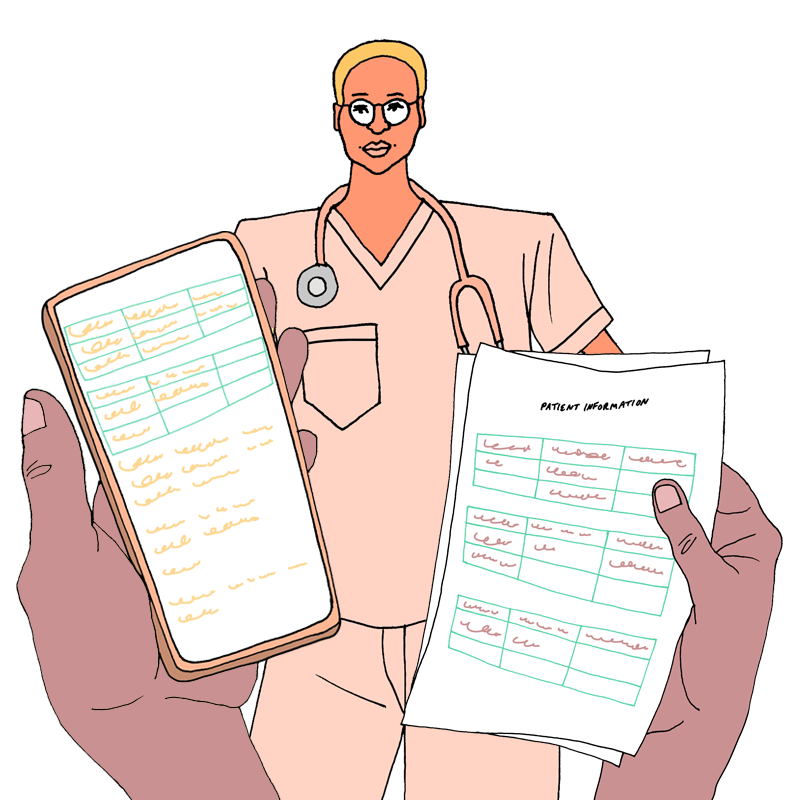
Before your appointment
To make the most of your visit, gather anything that can help your oncologist understand the full picture. Write down changes in energy, routine, or stress levels. Include a list of medications, supplements, and recent records or scans. Many people use a binder to stay organized.
These conversations can bring a ton of information at once. If comfortable, have someone come with you to take notes and help review what was discussed – or see if you can record the visit. And if something isn’t clear, it’s always okay to ask for it in plain language.
What’s changed for you?
Everyone’s experience with metastatic breast cancer is different. If you notice new symptoms, even ones that you might think are “no big deal,” be sure to let your care team know. Every detail helps them better understand what's going on.
In the past month, have you noticed any of the following?
☐ New or worsening pain
☐ Joint pain or cramps
☐ Shortness of breath
☐ Nausea, diarrhea, or vomiting
☐ Trouble sleeping
☐ Increased fatigue or weakness
☐ Weight loss or gain
☐ Difficulty concentrating or remembering things
☐ Feelings of anxiety, sadness, or irritability
Saying what’s hard to say
Some changes can be difficult to bring up, especially when you’re not sure what they mean. Here are some ways to jumpstart the conversation.
- When you talk with your oncologist, you might say:
- “Lately I’ve been noticing ___. Could this be progression or something else?”
- “Pain, fatigue, or stress have been making things harder for me. What can help?”
- “I’m not sure if what I’m feeling is expected. Can we talk it through?”
What’s on your mind matters. Sharing it can help your care team show up for you in the ways you need.